
Hello everyone. It's been 15 years and a few months since I came to London, UK to study aromatherapy. I started aromatherapy as a hobby, but I'd like to briefly explain how I ended up here.
My first encounter with aromatherapy came in September 1994, when I came across Herbert House in Kudanshita, Tokyo, in the magazine "Keiko to Manabu." Kotaro Kurizaki, who had studied under Robert Tisserand in the UK, offered some fascinating classes. In 1995, I participated in the "Aroma '95 UK" tour sponsored by Fragrance Journal, visiting local schools and having lunch with Maggie Tisserand, giving me a full insight into the practice here. Having previously worked for a travel agency in the UK, I recall feeling a deep sense of nostalgia. Kurizaki continued to help me until I participated in "Aroma '97" in July 1997. At the time, the Aromatherapy Association in Japan had just been established, and comprehensive courses were more difficult to come by than they are today. My desire to study seriously rather than just as a hobby grew, so after the conference I applied to enroll at Tisserand Institute, passed the interview, and enrolled full-time in September of the same year.
It's no exaggeration to say that there are very few therapists here who are dedicated to aromatherapy, so after graduating, I decided to stay and learn other skills. I quickly found a part-time job and began my daily routine of studying and working. Aside from complicated visa issues, finding work after qualification isn't particularly difficult. However, in Subaru and salons, you're forced to use blended aroma oils, and they seem to be primarily for cosmetic purposes. Approaching people to understand the true meaning of aromatherapy can be challenging. It's completely different from treatments in hospitals or clinics. It's also difficult to select the oils that best suit your individual needs from the limited blends available. Furthermore, repeated use of the same oils can lead to allergic reactions. I've heard that oil selection can vary based on the therapist's preferences, but you must be careful not to use the same oils too often.
I currently work at a clinic in Chelsea, London, while also making private patient visits. I started this job in 1998, and it's had its ups and downs, including wrist injuries and declining physical strength. However, there are many schools offering complementary medicine here, allowing me to learn from a variety of angles. I, too, now have the ability to provide treatments in a variety of areas, not just aromatherapy. Also, as I gain more experience, I feel like I'm beginning to see which ailments I excel at treating. It's said that the average lifespan of a masseuse is 10 years. My next challenge is to determine how I can continue to be involved in aromatherapy and complementary medicine.
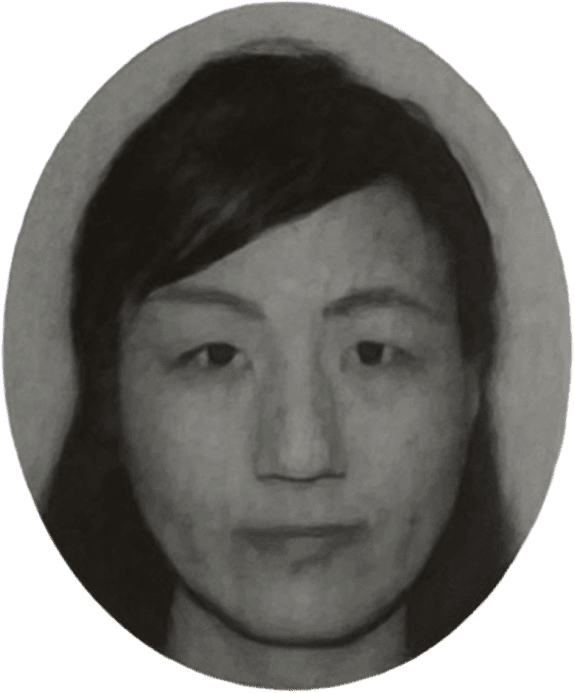
Yumiko Inoue (CNHC Registered, TIDHA, MIFPA, MBRA, MAEAJ, MAHBMT)
She moved to the UK in July 1997. After obtaining a qualification in Holistic Aromatherapy at the Tisserand Institute, she studied Indian Shampoo, Manual Lymphatic Drainage, Reflexology, Reiki, and Body Psychotherapy. She has worked in major spas, sports clubs, hospitality businesses, and clinics in London. She has been featured in the UK's Saturday Times and other well-known magazines. She is also the mother of one child.