Aromatopia 46
Free-Theme Article
Aromatherapy with Hydrotherm massage system
Yumiko Inoue
Aromatopia 46
Free-Theme Article
Yumiko Inoue
I've been working at a health club and health spa in central London for about three years. The women-only health spa is always fully booked, so it's not uncommon for therapists to see around 10 or more clients a day. As a result, therapists often suffer from tendonitis and R.S.I. (Repetitive Strain Injury), which affects the thumb, wrist, and elbow. One cause of this is thought to be extending the wrist joint beyond its normal range and then applying their own weight in that position. Other possible causes include the angle between the thumb and index finger when pressing acupressure points, or the direction in which the thumb is pointed toward the client's body. Serving multiple clients without a break is particularly taxing. Furthermore, massaging someone while bending their body from the waist or twisting their lower back without properly bending their knees can cause back pain. In fact, I often hear stories of therapists suffering from back pain. When I was studying massage at college, I didn't worry too much about it because I received good advice from my teachers. However, I often only realise the problem after hearing about it from an acquaintance or experiencing an injury myself.
The Hydrotherm massage system solves these problems. While still relatively unfamiliar in Japan, the system is widely used in health spas, health clubs, sports clinics, osteopathic and chiropractic clinics, and other locations in the UK. According to statistics, approximately 500 people train as Hydrotherm therapists each year. In addition to the UK, the system is now also used in the Netherlands, Austria, Belgium, South Africa, Australia, the United States, and Canada.
The Hydrotherm massage system was developed in 1992 by British sports therapist John Holman. After four years of traditional massage, Holman began to suffer from RSI, which caused pain from his thumb to his wrist, as well as lower back pain. Despite the increasing pain in his hands and back, Holman refused to give up his career. He began searching for a better solution and discovered that by using the client's body weight as the primary force, he could reduce the strain on the therapist's body. He designed the Hydrotherm massage system, which uses a warm-water cushion (Hydro = water, Therm = heat). Massage using the Hydrotherm system has rapidly gained popularity due to its benefits for both therapists and clients.
The Hydrotherm Massage System is supplied worldwide exclusively by HTS (International) Ltd., a UK-based company. The massage cushion is made from a material similar to the plastic bags used for blood and plasma, making it safe for your health. Its low-friction surface is durable and long-lasting. It's also lightweight and folds up compactly for easy portability. The cushion is resistant to massage oils and lubricants, and its surface softens with heat for comfort. The cushion can withstand temperatures up to 55°C. The product is free of lead, barium, and cadmium, and is recyclable, making it environmentally friendly.
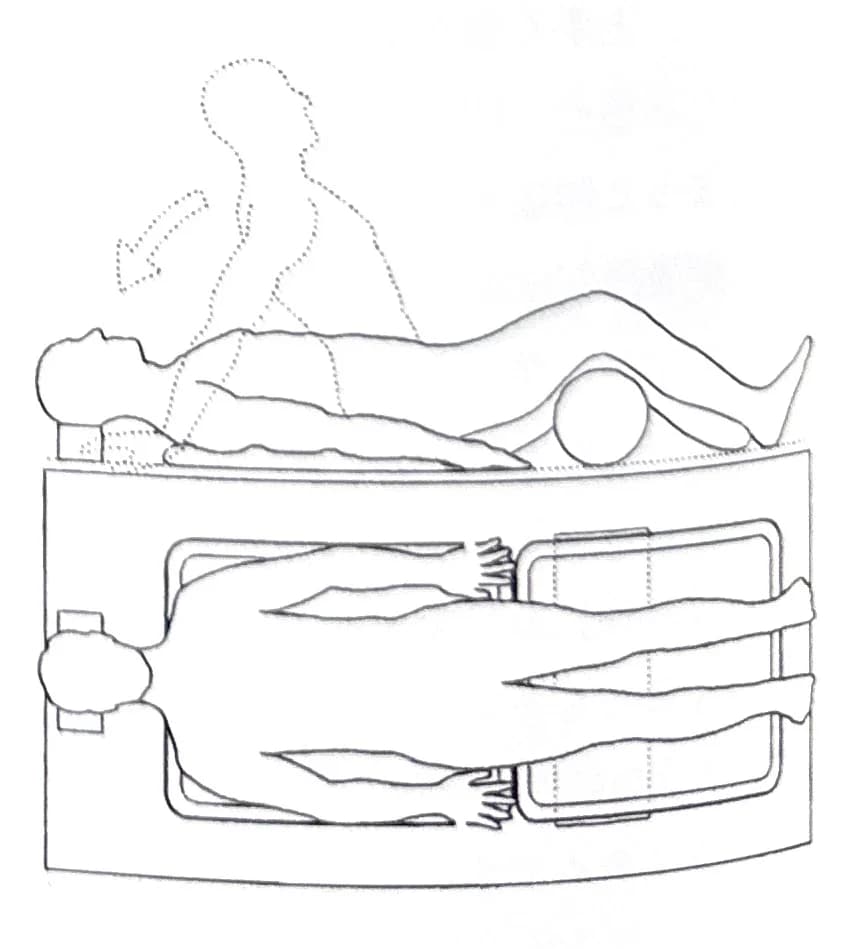
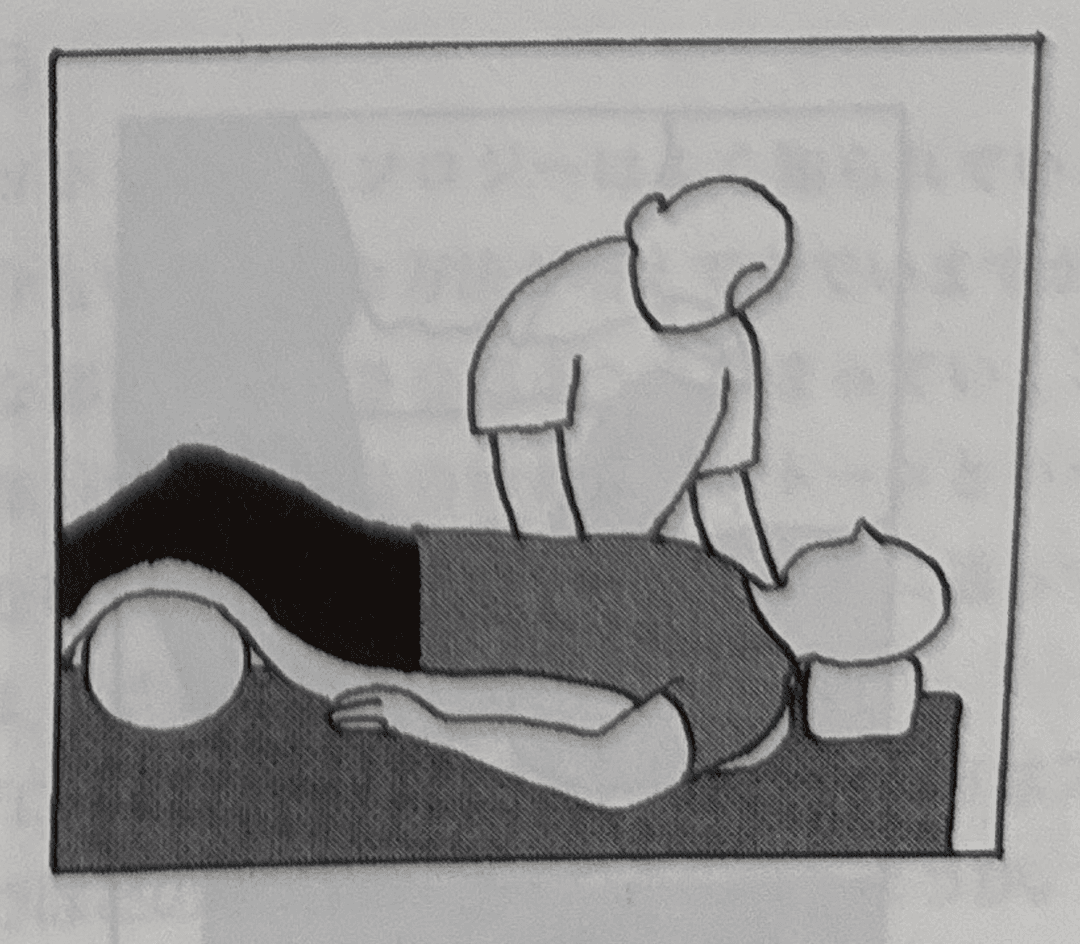
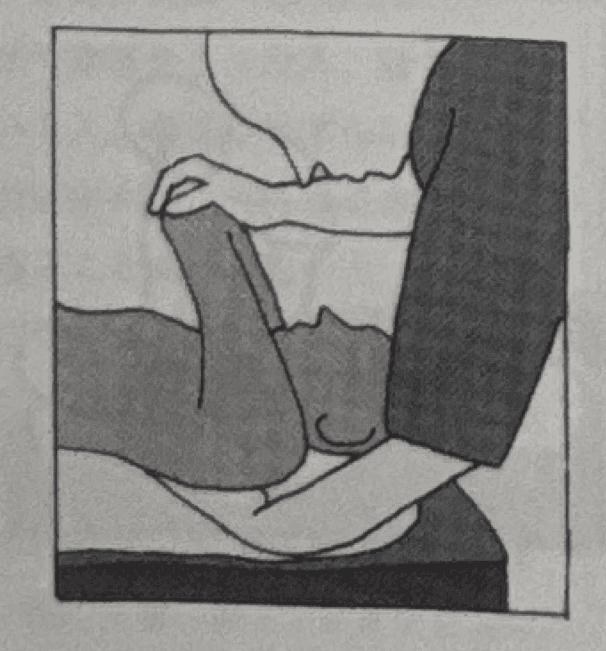
As mentioned above, this massage, which utilises the client's body weight, offers significant benefits for the therapist. During the treatment, the client lies supine on the massage bed, allowing the therapist to massage the entire body with their palms facing up and their hands, wrists, and elbows in a straight position. This method, unlike traditional massages, puts less strain on the hands, wrists, and elbows. It's also an effective massage method for pregnant women (over 12 weeks pregnant), the elderly, those with injuries or disabilities, those with back pain, asthma, claustrophobia, those who cannot sleep face down for any reason, and even babies. It also relieves discomfort related to facial and arm placement. At my health spa, we're especially inundated with requests for this treatment on Mondays, which are "Pregnancy Day." Currently, there are only a limited number of therapists who can perform this treatment, so every Monday I often have to take care of pregnant women all day. Those who have received Hydrotherm massages have expressed great satisfaction. Hydrotherm also uses a warm-water cushion, which accelerates muscle relaxation and increases blood vessel dilation, allowing the oil to be absorbed more quickly. Furthermore, while traditional massages require careful attention to room temperature, this cushion allows the client's body to be kept warm at all times. This eliminates the need for blankets and numerous towels, especially in winter.
Furthermore, Hydrotherm uses a warm-water cushion, which accelerates muscle relaxation and increases blood vessel dilation, allowing for faster oil absorption. Furthermore, while traditional massage requires careful attention to room temperature, the cushion allows the client's body to be kept warm at all times. This eliminates the need for blankets and numerous towels, especially in winter.
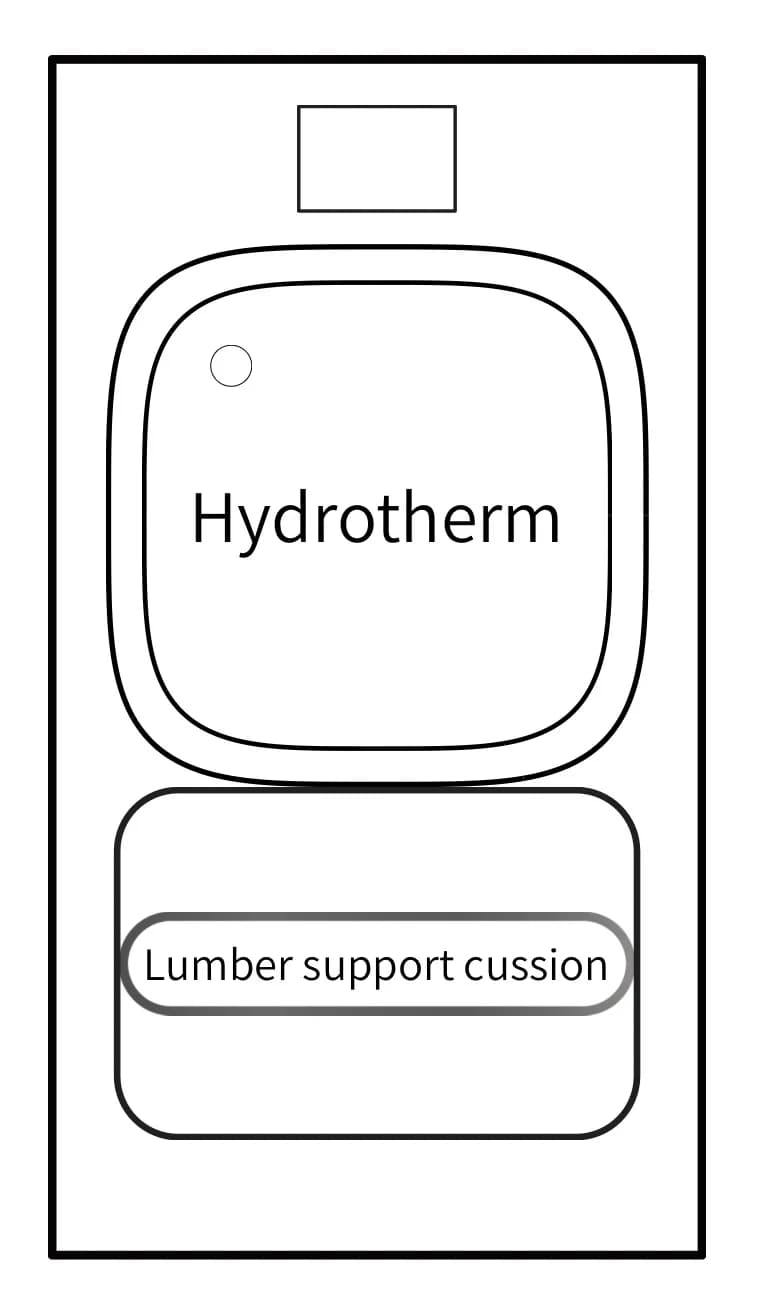
Before the massage begins, two large cushions are filled with 9-12 liters of 30-40°C water. One is placed under the client's shoulders and hips, and the other is placed under the back of the legs. An air cushion to support the lumbar spine is placed under the warm-water cushion behind the knees. Finally, a pillow to support the back of the head (three pillows of different heights are available to choose from to suit the client's body) is placed under the head. This allows the client to receive the treatment while lying face-up on the massage bed.
It is important to advise the client to place both hands under the cushion, as there is a risk of the client slipping off the cushion due to the oil used in the massage. Furthermore, it is important to first fully understand the client's posture (skeletal structure), and to check for any cuts, bruises, or moles on the back or the back of the legs, especially varicose veins. If moles are present, they should be covered with a bandage beforehand. In the case of varicose veins, if there is significant inflammation, that area should be avoided. If there is not much inflammation, effleurage alone can help with blood circulation.
Contraindications include people with rheumatic diseases and those who are sensitive to heat. The water in the cushion loses 5 degrees of heat every 90 minutes, so if you're massaging multiple people in one day, you should always check the temperature and, if necessary, replace some or all of the water to raise the temperature. The cushion also has a built-in thermometer, making it easy to check the temperature.
Typically, when using aromatherapy oils in a Hydrotherm massage, the blend is at a 1.5% concentration. This is because the increased vasodilation caused by heat increases absorption, and the oils also become more volatile, resulting in a stronger odor than usual. In other words, even a lower concentration of oil can be highly effective.
The average temperature of the water in the cushions is 35°C, but it must be set to 30°C or below, especially for pregnant women. While it's usually sufficient to simply check the temperature with the client at the beginning, some people experience rapid body temperature increases during the massage, making it necessary to add more water to the cushions midway through. Also, some pregnant women experience discomfort when lying on their backs. In these cases, it's necessary to remove lumbar support below the knees and have them lie on their side. In my experience, even if the client initially thought they were okay, there have been a few cases where their body temperature rose significantly during the massage, causing discomfort. While most people experience no problems, I recommend always having drinking water available in the treatment room.
Although the aromatherapy course I took didn't say that we need to use such a low concentration of massage oil during pregnancy, I personally stick to a concentration of 0.5% or less. However, in reality, most people opt for hydrothermal massage using only carrier oils, unless they are a particular aromatherapy enthusiast, such as those who loved aromatherapy treatments before becoming pregnant. Some pregnant women are very sensitive and worry that water at around 30°C may affect the fetus. Generally, as long as the mother can tolerate the heat, there's no problem. This may be due to the recent increase in miscarriage rates in the UK, unrelated to massage. Unfortunately, a lack of knowledge also contributes to many misunderstandings. In fact, oil companies are proactively hosting one-day training courses, and it's not uncommon for beauty therapists working in health spas to immediately take on clients after attending the course. Of course, aromatherapy doesn't involve blends made by therapists. Instead, it involves pre-blended aromatherapy oils sold as a single product by oil companies. Therefore, they have no way of knowing the specific effects of each essential oil. In contrast, we, as aromatherapists, are trained and fully understand safety, so there are no problems. Furthermore, most aromatherapists belong to their respective aromatherapy associations, so accurate information about oils is readily available, without the need to be swayed by misleading rumors.
Previously, there was a completely unfortunate rumor circulating that aromatherapy poses a risk of miscarriage and that no essential oils should be used during pregnancy. When I heard this, my fellow aromatherapists and I were very surprised and disappointed. It's no wonder that some of the rumors consumers hear are inaccurate, leading to confusion due to a lack of accurate information. Therefore, it's perhaps not surprising that more pregnant women than ever before are becoming more nervous. It could be said that we aromatherapists have a mission to provide these women with accurate information in an easy-to-understand manner.
My introduction to the Hydrotherapy Massage System began in July 1999, when I attended training through my company. During the training, I vividly remember how impressed I was when therapists practiced with each other and discovered that they could press points without straining their wrists or fingers. It also reduced the strain on my lower back. Previously, massages for pregnant women required the use of numerous towels as cushions. The system has been extremely well-received not only by expectant mothers but also by the general public, who often leave the treatment room delighted and ecstatic, with their muscles relieved and deeply relaxed. It's no exaggeration to say that I've never had a client who was dissatisfied, and many have even recommended it to their friends. In fact, since I started offering this treatment, I've had even more interactions with pregnant women. I cannot help but feel the joy of being able to feel the two different energies coming from their bodies and communicate with both the mother and the fetus with my own hands.
My encounter with the Hydrotherm System has expanded my horizons beyond conventional technology, and I truly believe it has been a great advantage. I hope to one day be able to introduce it to everyone in Japan, and I will end my writing here.

RQA Aromatherapist & BRA Reflexologist
After graduating from Otsuma Women's University in March 1998 with an associated degree in English Literature, she gained a variety of professional experience, working for a major company, a travel agency, and a production company in Japan and the UK. After studying aromatherapy at Harvard House for approximately three years from September 1994, she moved to the UK in July 1997 to study at the Tisserand Institute. She then studied Reflexology at the Bailey School. She is also certified in Indian Champissage, Manual Lymphatic Drainage, Reiki, and Hydrotherm. She has also studied Hospice Care, Advanced Clinical Aromatherapy, and Essential Energetic & Oriental Diagnostics. Currently, she is studying Body Psychotherapy at the Chiron Center, as well as working in a health spa and a hospice, and as a teaching assistant at the Tisserand Institute.