Aromatopia 84
VibroTone
Open-ended article

Aromatopia 84
Open-ended article
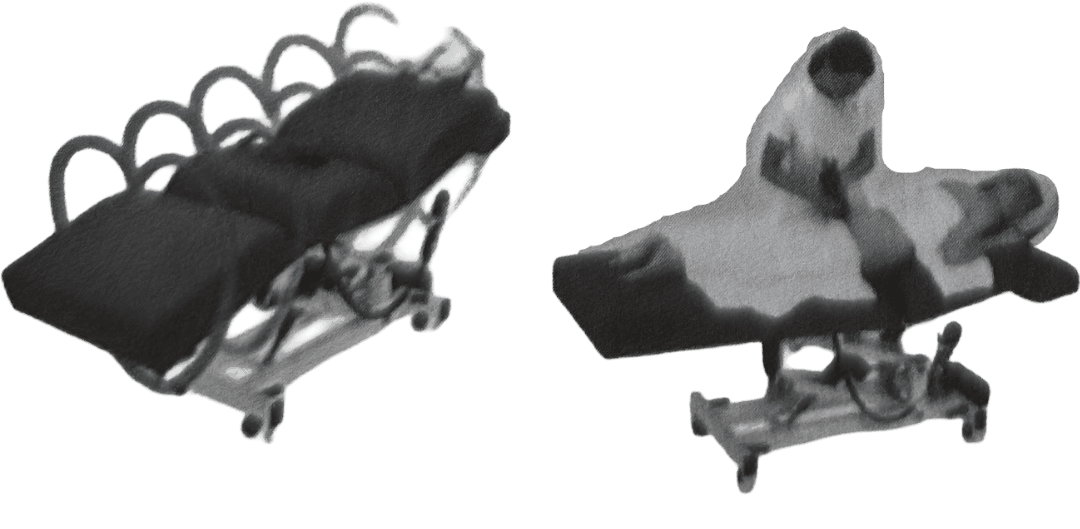
The Vibro Tone is a device (photo) that emits a special cycloid vibration waveform into the skin and body tissues. Its three-dimensional massage method (vertical, horizontal, and circular) has been shown to improve blood circulation, the microcirculatory system, and lymphatic flow, and to soften fibrotic tissue. In the U.K., the NHS (National Health Service) uses it in hospitals to treat varicose veins and lymphedema.
In 2002 Professor Ryan of Oxford Hospital published in a journal on tissue viability, and Dr. Cherry of the Churchill Hospital in Oxford published in a wound‑care journal, describing how cycloid vibration can improve blood flow and the microcirculation, alter dermal and epidermal fluid dynamics, stimulate the lymph glands, and help remove accumulated fluid and waste products. Similar findings were presented at a conference on advances in medicine held by the Royal Society of Medicine.
Also, Professor Pillar et al. at the University of Adelaide in Australia reported using the device on 64 patients with lymphedema. After three weeks their symptoms had dramatically improved and the fibrotic tissue had softened. More recently the technology has entered the beauty industry and is mainly being used to treat cellulite.
Cycloid vibration causes hard and soft tissues to strike against each other, which dilates blood vessels and improves blood circulation. At the same time it disperses the fluid trapped between the firmer tissues and vibrating particles. This helps to pump stagnant fluid, toxins, and proteins along the lymph glands. As a result, circulation of oxygenated blood is promoted. In addition, it increases capillary permeability so fresh fluid can be delivered to the tissues, helping to maintain healthy skin. Cycloid vibration can also induce reverse flow in the ducts to soften hardened fat deposits, and the stimulated lymph glands can then remove some of the proteins.
The internal diameter of the veins is regulated by sphincters located before and after the capillaries, which tighten or relax the smooth muscle. When the smooth muscle is constricted by the sympathetic nervous system, venous pressure rises. In addition, aging, stress, and functional disorders can impede venous flow.
The three‑dimensional vibration relaxes the venous smooth muscle, improves venous flow, and helps remove toxin‑laden metabolic wastes and other bodily wastes. It also improves venous circulation by reducing back‑pressure.
Like veins, arterioles are controlled by smooth muscle that regulates blood flow. When the smooth muscle is relaxed, the flow of oxygenated blood increases and is delivered from the vessels into cellulite-affected tissues. This supplies nutrients and oxygen, neutralizes toxin-containing metabolic waste, and helps normalize fat cells. It also warms the tissues and further aids the movement of fluids.
Lymph glands naturally have a small, wave‑like pulsation. They draw excess lymphatic fluid up from the tissues and send it into the lymphatic vessels. Cycloid vibration assists this delicate pulsating action of the lymph glands, increasing drainage and lowering tissue pressure.
A three‑dimensional massage acts on the material properties of the fibers, gently breaking up solidified tissue as if shaking apart a jelly and re‑dissolving it into lymphatic fluid. Because this massage raises body temperature, blood circulation improves and unnecessary fluids are removed. In addition, cycloid vibration warms the tissues, which in turn warms the fluids, helping to prevent the tissue from re‑solidifying.
Fat is an essential component of our bodies, but when it becomes abnormal and unhealthy it forms cellulite. About 20–25% body fat is said to be a healthy level. Like other cells, fat requires good blood circulation to remain healthy and depends on oxygen and nutrients. As described below, fat performs various functions in the body:
Nutrient‑rich, oxygenated blood and stored fat are delivered to fat cells via the arteries. Fluid from the blood remains in the capillaries, bathing the fat cells and supplying them with oxygen and nutrients. Waste products from the cells and fat used for energy are collected by that same blood‑derived fluid and returned to the circulation. This fluid is known as lymph, and it plays a very important role in the body. Under the pressure of surrounding tissues, about 90% of the fluid is sent back to the veins, and the remaining roughly 10% is sent into lymphatic vessels that join the lymphatic system. When the body is functioning healthily, the fluid sent to the fat is equal to the fluid carried away: oxygen and nutrients reach the fat cells, and waste products and spent fluids are removed. When fat remains healthy it helps keep the body warm, looks pink and soft, and has a smooth, mature silhouette that is noticeable. When fat becomes abnormal and unhealthy, it gives rise to cellulite.
Cellulite is a condition in which subcutaneous fat is damaged. The primary causes are insufficient blood supply and incomplete drainage of lymphatic fluid from the fat. This leads to a lack of oxygen and nutrients in the cytoplasm and an excess of toxic metabolic products, which deprive fat cells of oxygen and nutrients and disrupt their metabolism. When fat cells become diseased, they lose their fat release receptors.
Veins, lymphatic vessels, and lymphatic fluid are closely related and depend on each other to function. In other words, even a small abnormal change in one of them can cause the others to malfunction. This, in turn, can affect small arteries.
The primary cause of cellulite formation is increased venous tone, or increased intravenous pressure. This is controlled by the autonomic nervous system and is most commonly linked to lifestyle and stress. Increased venous pressure also reduces venous return. In other words, increased intravenous pressure reduces the ability of the body to transport fluid from the tissues to the veins. When the body's muscles are unable to properly return venous fluid from the legs, fluid stagnates in the veins. Lymphatic function is linked to tissue function and can be impaired by increased tissue pressure, stress, overwork, toxins from food and the environment, and interference from immune complexes.
The causes of lymphadenopathy and venous ulcers are similar to those of cellulite.
Cellulite is a condition caused by insufficient lymphatic drainage.
Cellulite is a condition caused by poor venous drainage
Toxins accumulated in cellulite
Lymphatic fluid accumulates and fibers lie in cellulite tissue.
The differences between these three conditions are the severity of their causes and the location of the disease in the body. Venous ulcers are pathologically altered veins that drain blood from the lower legs. This can lead to ulceration, necrosis, and infection.
Lymph adenomas, which can occur in the upper or lower extremities or body, are a pathology often caused by sudden dysfunction of the lymphatic drainage system, which can lead to ulceration, significant fluid retention, necrosis, and infection.
Cellulite is a damaged fat cell, and unlike the other two types, it does not pose a risk of disease progression, but the basic cause is the same.
Vibrotone reverses cellulite formation caused by vascular changes. It reduces capillary permeability, fluid stasis, tissue hypoxia, and hard fat cell formation, resulting in an improved appearance of cellulite. Vibrotone is a non-invasive, painless, and comfortable treatment.
Be sure to drink a glass of mineral water before and after each treatment. Clients are provided with a cotton T-shirt and support tights or spats. Each treatment lasts approximately 30 minutes. The number of treatments varies depending on the severity of cellulite, which is divided into stages 1 through 5. For clients in stages 1 and 2, we recommend eight sessions of once-weekly treatments. For clients in stage 3, we recommend 10 sessions of once-weekly treatments. For clients in stages 4 and 5, we recommend ten sessions of once- or twice-weekly treatments, followed by follow-up treatments every two to four weeks.
| Stage 1 | Although cellulite is no longer evident on the surface of the body, lymphatic and venous drainage begins to decline. Close observation may reveal venous distension. Pinch or pressure on tissues may be painful, indicating fluid and toxin accumulation in the cells. You may experience leg heaviness, fatigue, and persistent bruising. |
| Stage 2 | Fluid and toxins are no longer completely removed, and fluid begins to stagnate in the tissues. You may notice an orange peel effect. |
| Stage 3 | As fluid stagnation in the tissues continues, the protein components transition from dissolved to undissolved, resulting in a coagulation state. As the protein fibers continue to coagulate, they become visible macromolecules that can be palpated as small particles. To the touch, soft fibers resemble rice pudding, while hard fibers feel like grains of rice. |
| Stage 4 | Fibers grow beneath the fatty tissue and extend into the dermis and hypodermis. They are firm and well-developed, adhering tissue structures to one another, forming the typical pitting pattern. This is known as mattress skin and is easily recognizable. |
| Stage 5 | This is the final stage, and no further progression occurs. Fibrous tissue forms, constricting ducts and blocking their transport. Blood circulation deteriorates, hair follicles cease to grow, and the skin becomes pale and hairless. The skin appears lumpy and bumpy, with warm and cold scales in some areas, distended veins, and a dark, purplish appearance beneath the pale, hairless skin. The silhouette is rough and irregular. |
Reference 1: Degrees of Cellulite
Cellulite tends to form in the lower parts of the body, and symptoms vary depending on the stage. Cellulite can also form in the arms, but like the legs, there are five distinct stages (Reference 1).
Vibrotone is not suitable for pregnant women, people with pacemakers, people with active cancer (especially of the bowel, bladder, uterus or ovaries), people with active thrombosis, severe osteoporosis, dermatographia, contact allergies or trauma.
The area of the artificial joint should be treated with gentle stroking motions, and areas with inflammation of the joint or skin should be avoided.
People with a history of epilepsy should avoid the head and face area and place a soft pillow under their head.
To maximize the effectiveness of VibroTone treatment, dietary advice is needed. What to eliminate: Artificial products, artificial sweeteners, processed foods, instant foods, hydrogenated vegetable oils (margarine, ready-made cakes, pastries, ice cream), sweetened or flavored carbonated drinks, diet and low-calorie drinks, sweet snacks and gum. What to lose: Wheat and wheat products (bread, pasta, flour, cakes, pastries, biscuits), excess fat, especially animal products (cheese, eggs, meat). What to gain: Vegetables (especially peppers, carrots, broccoli, tomatoes, and cabbages). These are rich in vitamins and minerals. Low-sweet fruits (especially oranges, grapefruit, berries, summer fruits, and kiwi), grapes, bananas, and mangoes are high in fructose. Regularly eat: low-calorie meats (chicken, turkey, pork, lean beef, game), various fish including canned ones, legumes (kidney beans, green peas, lentils, quinoa, soy products, tofu), yogurt, soy milk, olive oil, organic seeds (sunflower seeds, flaxseed, pumpkin seeds), eggs, and milk and cheese in moderation. - Try to drink at least 1.5 liters of still mineral water per day. Small amounts of black tea, coffee, and green tea are fine, but avoid sugar and artificial sweeteners. Small amounts of alcohol, preferably red wine, are acceptable. Avoid all but unsweetened homemade fruit juices, smoothies, and milkshakes.
Taking regular amounts of antioxidant vitamins and minerals (including vitamins A, C, E, zinc, selenium, and manganese), omega-3 oils, etc. can also be effective.
Our clinic was one of the first in London to offer Viprotone treatments. While many clients choose manual lymphatic drainage massage, we recommend Viprotone for Cellulite treatments, as it provides faster results, except for those who are sensitive to vibrations. There are some issues with the therapists, limiting the number of patients per day to two or three. Because the therapists must hold the vibrating device for 30 minutes, some have reported issues such as hands shaking for a while after treatment, making it difficult to hold a pen. Improvements are being made, so we expect this problem will be resolved in the near future. Like manual lymphatic drainage massage, Viprotone is a highly rated treatment, providing a relaxing experience.
Yumiko Inoue

After graduating from Otsuma Women's University in March 1998 with an associated degree in English Literature, she worked for major companies in Tokyo and London. In the summer of 1997, she moved to the UK and obtained qualifications in Aromatherapy from the Tisserand Institute and in Reflexology from the Bailey School. She also obtained qualifications in Advanced Aromatherapy, Indian Champissage, Reiki, Lymphatic Drainage, Hydrotherapy and VibroTone. She also studied Body Psychotherapy at the Chiron Center. She has gained experience at a major spa, a hospice, and as a teaching assistant. Currently, while a mother of one, she practices therapy at Balance the Clinic in Chelsea, London.